
 Spend
Spend 


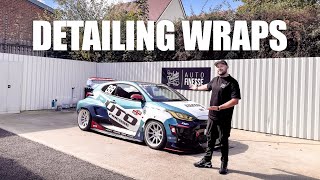
How To Detail A Wrapped Car
There are two kinds of people with wrapped cars. The first treats the wrap like it's made from wet tissue paper. They avoid washing it, refuse to use anything stronger than shampoo and spend half their life worrying they'll damage it. The second attacks it with traffic film remover, stiff brushes and an aggressive pressure washer until the edges start lifting. Both are doing it wrong. A vinyl wrap is incredibly tough. It's designed to live outside through rain, heat, frost, road salt, bird mess and UV exposure for years. But like paint, it still deserves to be looked after properly. Whether you've got a satin Porsche, a gloss colour change, a drift car covered in sponsor logos or a full printed livery, the detailing process is actually much simpler than most people think. Let's clear up the myths once and for all.
A vehicle wrap is a self-adhesive vinyl film applied over the paintwork.
That might be:
- Full colour change
- Printed race livery
- Digital graphics
- Satin finish
- Matte finish
- Gloss finish
- Chrome
- Carbon effect
- PPF-style coloured films
Most modern wraps also have a protective laminate or top coating which provides UV resistance and helps resist staining.
They're designed to last years outdoors.
So yes... You can wash them. You can protect them. You can even machine polish some of them... ...but there are rules.


The biggest killer of wraps isn't shampoo. It isn't snow foam. It isn't even pressure washers. It's neglect. Bird droppings. Tree sap. Diesel soot. Traffic film. Hard water deposits. Brake dust. All of these sit on the surface and slowly stain or degrade the vinyl if they're left there. A clean wrap lasts dramatically longer than a dirty one.

Exactly the same as painted cars. Cover the vehicle in snow foam. Allow it to dwell. Rinse thoroughly. This removes loose dirt before you ever touch the surface. The less rubbing you do... The longer your wrap stays looking fresh

Absolutely. This is probably the biggest myth online. Snow foam doesn't damage wraps. Quality pH-balanced snow foams are completely safe for:
- ✔ Gloss wraps
- ✔ Satin wraps
- ✔ Matte wraps
- ✔ Printed liveries
- ✔ Commercial graphics
In fact... It's one of the safest ways to clean them because you're removing dirt before physical contact.

Yes.
Within reason.
Products like Dynamite are absolutely fine when diluted correctly.
They're ideal for:
- lower sills
- front bumpers
- bug removal
- winter grime
Just don't leave strong cleaners drying on the surface for long periods. Exactly the same advice we'd give for paint.

Use:
- ✔ pH neutral shampoo
- ✔ Plush wash mitt
- ✔ Two bucket method
- ✔ Plenty of lubrication
A wrap scratches just like paint.
Treat it with the same respect.

One thing people often forget... Wheel cleaner overspray lands on wrapped arches and quarter panels. That's completely fine. Most modern non-acid wheel cleaners and iron removers are perfectly safe on vinyl. Just don't leave them sitting there. Rinse thoroughly.
Yes. Another internet myth. Iron removers don't magically melt vinyl. They're perfectly safe for quality wraps from reputable manufacturers. In fact... If you've got white vinyl or light coloured wraps, iron fallout removal helps prevent orange staining. Simply spray... Allow it to react... Rinse well.

Cheap towels.
Use a quality drying towel with deep fibres.
Or even better...
Use filtered air or a blower to remove water from:
- panel gaps
- mirror housings
- spoilers
- rivets
- decal edges
Less touching equals fewer marks.

Just because it isn't paint doesn't mean it shouldn't be protected. Protection makes cleaning easier. Reduces staining. Adds UV resistance. Keeps colours looking richer.
Yes. You absolutely can. A quality wax works perfectly on gloss wraps. It helps repel water. Keeps contamination from bonding. Makes future washing easier.

This is where people get caught out. Traditional gloss waxes can increase shine. If your wrap is designed to have a satin or matte finish... Avoid products designed to increase gloss. Instead use protection specifically intended for matte or satin finishes. The goal is protection. Not added shine.
Ceramic coatings work brilliantly on wraps.
They:
- reduce dirt build-up
- improve water behaviour
- make washing easier
- help resist staining
- provide UV resistance
Many coating manufacturers now produce dedicated wrap coatings, but quality ceramic coatings designed for vinyl are an excellent investment if you want easier maintenance.


Ceramic Spray Coating
Add a ceramic coating to your paintwork or vinyl wrap and get instant deep gloss with this spray and wipe formula. A sup... See product details More
Perfectly safe.
They're one of the easiest ways to maintain a wrapped vehicle between washes.
Ideal for:
- fingerprints
- fresh dust
- water spots
- show preparation
Just avoid using them on a heavily dirty vehicle. Exactly the same rule as paint.

Yes...
But only if it's genuinely contaminated.
Clay removes bonded contamination from vinyl exactly the same way it does paint.
Use:
- plenty of lubricant
- gentle pressure
- fine grade clay
If the wrap feels perfectly smooth already... Leave it alone. Clay isn't something you should automatically do every wash.
Here's where things get interesting.
Can you machine polish a wrap?
Yes...
Sometimes. Gloss vinyl wraps often respond extremely well to very light machine polishing.
You can remove:
- light marring
- towel marks
- oxidation
- dullness
But...
This is not correction in the traditional sense.
You're refining the laminate layer—not cutting into clear coat.
Always:
✔ Use finishing polishes ✔ Soft foam pads ✔ Low machine speeds ✔ Minimal pressure
Never chase deep scratches. Once you've cut through the laminate...
There's no clear coat underneath to save you.
Matte and satin wraps should never be polished.
Doing so permanently changes the finish.

Pressure washers don't ruin wraps.
Bad technique does. Safe practice:
✔ Keep around 30-50cm away. ✔ Spray across edges rather than directly into them. ✔ Avoid forcing water underneath damaged sections. ✔ Don't concentrate the jet on lifting edges.
Used properly...
Pressure washers are completely safe.


Petrol and diesel should always be wiped off immediately. Modern wraps are durable... But prolonged exposure to fuel can stain or soften certain vinyls. Don't panic. Just clean it quickly.
One of the biggest enemies of vinyl. Don't leave them baking in the sun. Remove them as soon as possible. The longer they sit... The greater the chance of permanent staining.
Treat it early. Fresh sap is easy. Old hardened sap is not. Allow dedicated tar and glue removers to work rather than scraping with your fingernails.
Liveries are often cleaned several times a week. Sometimes every single event. Snow foam. Shampoo. Wheel cleaner. Iron remover. Quick detailers. They're all used regularly. If these products genuinely destroyed wraps... Professional race teams would have stopped using them years ago.
❌ "You can't pressure wash a wrapped car."
False. Use sensible distance and don't blast damaged edges.
❌ "Snow foam damages vinyl."
False. Quality pH-balanced snow foam is one of the safest cleaning methods available.
❌ "You can't use wheel cleaner."
False. Modern non-acid wheel cleaners are perfectly safe when used correctly.
❌ "Iron remover ruins wraps."
False. Iron removers are safe on quality vinyl and help prevent contamination staining.
❌ "Wrapped cars shouldn't be waxed."
Not true. Gloss wraps benefit from protection just like paint. Just avoid gloss-enhancing products on matte or satin finishes.
❌ "You can't clay a wrap."
False. You can. Just don't overdo it. Only clay when contamination actually exists.
❌ "Wraps are fragile."
Completely false. They're designed to survive years outdoors. Treat them sensibly, not fearfully.
- ✔ Wash wrapped cars regularly rather than waiting until they're filthy.
- ✔ Remove bird lime immediately.
- ✔ Blow water from edges rather than rubbing aggressively.
- ✔ Use dedicated towels for matte finishes.
- ✔ Keep ceramic protection topped up.
- ✔ Don't allow harsh chemicals to dry on the surface.
- ✔ If an edge starts lifting, don't pressure wash directly at it—get it repaired before dirt and water work underneath.
A wrapped car doesn't need special treatment. It needs the right treatment. Wash it properly. Keep it protected. Remove contamination quickly. Respect the finish you're working with. Do that, and a quality wrap or livery will stay looking fresh for years. The irony is that the people who get the longest life out of their wraps aren't the ones who are frightened to wash them—they're the ones who maintain them properly. A clean wrap isn't just about appearance. It's about preserving the investment you've already made, whether that's a full colour change on your pride and joy or a race livery that's become part of the car's identity.
Continue exploring.
Explore Detailing Guides- Tags: Product Insights The Basics


